How to Use Freeze Dried Fruits in Your Recipes?
Freeze Dried Fruits are making waves in the culinary world. Renowned food scientist Dr. Emily Hart mentions, “Freeze dried fruits retain nearly all their nutritional value.” This process enhances flavor while preserving essential nutrients.
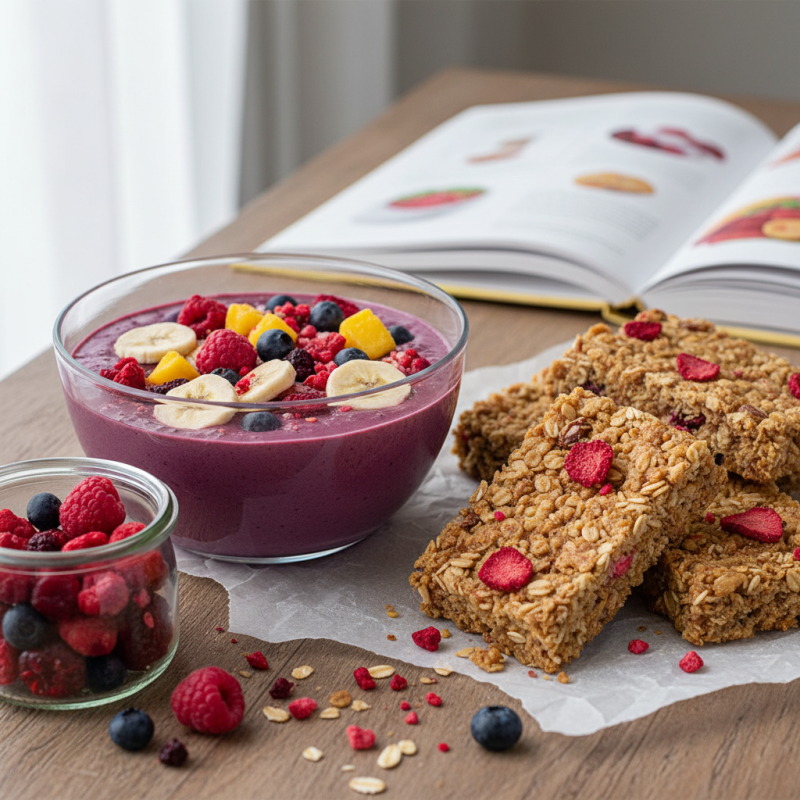
Using freeze dried fruits can transform any recipe. They add vibrant colors and intense flavors. Consider a morning smoothie or homemade granola bars. Their crunchy texture and sweetness enhance these dishes. You might think it's difficult to work with them, but the versatility is astonishing.
However, remember, not all freeze dried fruits are created equal. Some brands use additives that affect taste and quality. Always choose high-quality products to elevate your cooking. Experimenting with these ingredients invites creativity. It might not always turn out perfect, but it’s about the journey. Embrace the process of learning and enjoy the delightful surprises in your kitchen.
Choosing the Right Freeze Dried Fruits for Your Recipes
Choosing the right freeze-dried fruits for your recipes is crucial. The market for freeze-dried fruits has grown significantly, with an increasing demand for healthier snack options. Recent studies indicate that freeze-dried fruits can retain up to 90% of their nutrients, making them a viable alternative to fresh fruits. However, not all freeze-dried fruits are created equal.
When selecting freeze-dried fruits, consider the intended recipe. For smoothies, berries like strawberries and blueberries work well. Apples and bananas are great for baking. Always check the ingredient list to ensure no added sugars or preservatives. Keep in mind that freeze-dried fruits have different textures compared to fresh fruits, which can affect your dish.
Tips: Rinse freeze-dried fruits briefly in water before adding to recipes. This can enhance their flavor and texture. Experiment with combinations. Sometimes, a mix of freeze-dried cherries and peaches can elevate a dish. Don't hesitate to try less common fruits, like freeze-dried dragon fruit. They can add visual appeal and unique flavors.
Remember, while freeze-dried fruits are nutritious, the key is balance. Too much can overwhelm a recipe. Taste as you go. This helps ensure your dish meets your expectations.
Preparing Freeze Dried Fruits for Cooking and Baking
Preparing freeze-dried fruits for cooking and baking can be a delightful experience, yet it requires some care. These fruits maintain their nutrients well, as studies show they retain about 90% of their original vitamins (USDA). This makes them an excellent choice for healthy recipes. However, their texture can be tricky. When rehydrated, they may become mushy if over-soaked. It's important to remember that they may not behave exactly like fresh fruits.
Start by soaking freeze-dried fruits in water. An ideal soaking time is about 10-15 minutes. This helps regain some of their lost texture. After soaking, pat them dry with a towel and chop them if necessary. Remember, they absorb excess moisture during cooking, affecting your recipe's consistency. In some cases, adding them directly to recipes works too. For example, tossing them in dry pancake mix provides a burst of flavor.
Be mindful of the amount you use. A common mistake is adding too much, overwhelming the dish's taste. According to recent culinary reports, a balanced ratio is key. Use freeze-dried fruits to heighten flavors without losing the essence of your dish. Their vibrant colors can really enhance presentation, but it’s easy to go overboard. A careful approach guarantees delicious results.
Usage of Freeze Dried Fruits in Recipes
Incorporating Freeze Dried Fruits into Smoothies and Beverages
Freeze-dried fruits are a game changer for smoothies and beverages. They pack a punch of flavor and nutrients. According to market research, the freeze-dried fruit sector is growing, with a projected 7% annual increase. This trend highlights their popularity in health-conscious recipes.
When adding freeze-dried fruits to smoothies, the results can be uneven. Some fruits blend seamlessly, while others may clump. For example, freeze-dried strawberries create a tart sweetness, but they can become chewy if not blended well. It’s essential to hydrate them first or blend thoroughly for a smooth texture.
Incorporating these fruits into beverages can be tricky. They can settle at the bottom or float. A study from the Food Science Journal noted that freeze-dried fruits retain about 90% of their nutrients. This means you achieve high nutritional value, but consistency can vary. Adding a bit more liquid may help with the separation issue. Experimenting is key, as balance is often not achieved on the first try.
Using Freeze Dried Fruits as Toppings and Garnishes
Freeze dried fruits can elevate your dishes beautifully. They add color and texture. These fruits are not just snacks; they’re excellent as toppings and garnishes.
For breakfast, sprinkle freeze dried strawberries on yogurt. They add a sweet crunch. You can also mix them into your oatmeal. Try using freeze dried blueberries for a pop of color. They look great and pack a nutritional punch, but be careful. Too many can overpower the dish.
When using these fruits for garnishing, keep it simple. A few pieces can refresh your dessert. Consider adding them to cakes or cupcakes. They bring vibrancy and a hint of flavor. Make sure they are visible; otherwise, they might get lost on the plate.
Tips: Experiment with different fruits. Each variety brings its unique twist. Always taste before decorating; the balance is key. Too much can clash with other flavors. Enjoy the creative process!
Storing and Preserving Freeze Dried Fruits for Future Use
Freeze dried fruits are a popular choice for preserving nutrients. However, storing them correctly is essential. Proper storage impacts taste, texture, and shelf life. Data shows that well-stored freeze dried fruits can last up to 25 years without losing their nutritional value. This is impressive compared to traditional drying methods, which can lead to a loss of vitamins.
Use airtight containers to keep moisture away. Mylar bags with oxygen absorbers are a great option. They help prevent oxidation, which can degrade the fruit's quality. It's crucial to store them in a cool, dark place. Light and heat can greatly affect their freshness. The ideal temperature for storage is between 60°F and 70°F. However, many don't realize that even a minor fluctuation can shorten shelf life.
When using freeze dried fruits, remember to check for signs of spoilage. Look for changes in color or texture. If you notice any off smells, it's best to toss them out. Regulatory guidelines suggest that maintaining an optimal environment for storage is vital. Many underestimate how improper storage affects flavor. In conclusion, while freeze dried fruits are convenient, you must prioritize careful preservation. It requires effort, but the payoffs are significant.