Top 10 Dried Fruit Products You Need to Know About?
The market for Dried Fruit Products has seen remarkable growth in recent years. According to a report by Mordor Intelligence, the global dried fruit market is projected to reach $10 billion by 2025. This growth highlights a shift in consumer preferences towards healthier snacking options. Dried fruits offer a concentrated source of vitamins and minerals, making them a popular choice for health-conscious individuals.
Among the various dried fruit products available, some stand out due to their unique flavors and health benefits. For instance, goji berries are often touted for their antioxidant properties and are increasingly found in health stores. Consumers should explore the range of options beyond traditional raisins or apricots. While the market is expanding, it is essential to reflect on product quality and sourcing. Not all dried fruit products provide the same nutritional benefits or come from sustainable practices.
The trend towards natural and organic ingredients also influences dried fruit consumption. A recent Nielsen report indicated that nearly 30% of consumers prefer natural over processed snacks. This shift prompts producers to rethink their offerings and packaging. As you consider incorporating dried fruits into your diet, it is vital to choose wisely.
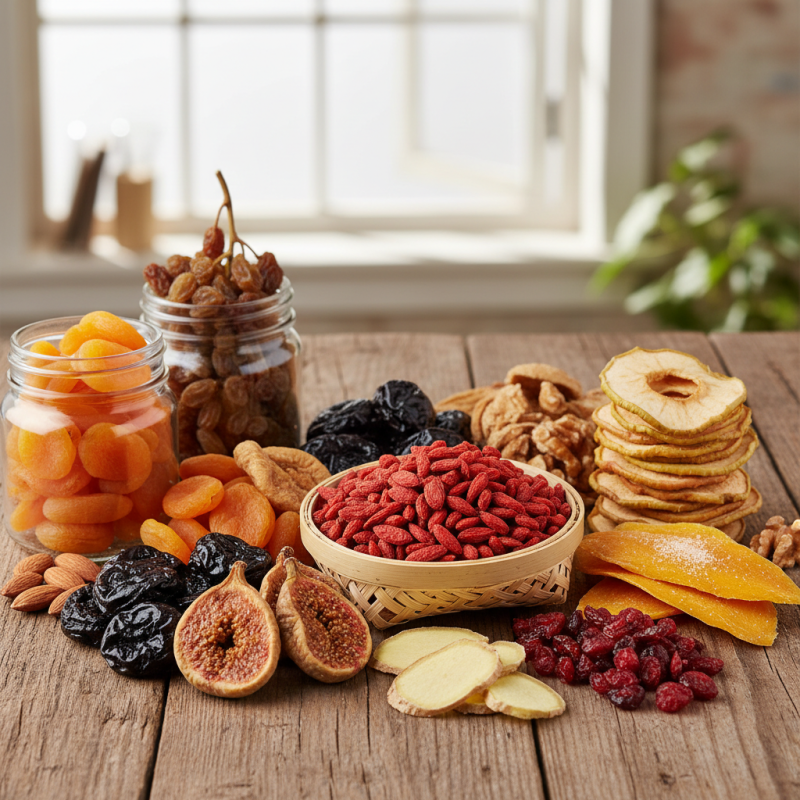
Top 10 Dried Fruit Products: An Overview of Nutritional Benefits
Dried fruits are more than just snacks. They offer significant nutritional benefits that can enhance your diet. According to the USDA, dried apricots, for instance, contain high levels of vitamins A and C. These vitamins are essential for immune function and skin health. A 100g serving of dried apricots provides about 32% of the recommended daily intake for vitamin A.
Raisins are another excellent choice. Reports show they have high antioxidant content, which helps combat oxidative stress. A study published in the "Journal of Food Science" noted that raisins might help improve bone health due to their boron content. Just a small serving can provide benefits without excess calories.
While dried fruits are nutrient-dense, they can also be high in sugar and calories. Moderation is key. For those managing blood sugar levels, understanding portion sizes is crucial. Each variety of dried fruit has its own unique set of nutrients, making it essential to diversify your choices. This allows for a broader spectrum of health benefits, helping you meet your nutritional needs more effectively.
Market Trends: The Growing Demand for Dried Fruits in the Food Industry
The dried fruit market has seen remarkable growth in recent years. Consumers are increasingly seeking healthier snack options. This trend is driven by a shift towards natural foods and organic products. Nutrient-dense dried fruits, like apricots and figs, offer convenient ways to boost nutrition. They are popular among fitness enthusiasts and busy professionals alike.
Moreover, diverse applications in culinary creations have fueled demand. Dried fruits enhance both sweet and savory dishes. Think salads topped with cranberries or granola bars filled with almonds. Yet, the industry faces challenges. Some products contain added sugars, which consumers want to avoid. Thus, transparency in ingredient sourcing is crucial for building trust.
Market research emphasizes the importance of quality. High-quality dried fruits maintain flavor and texture. Consumers appreciate artisanal methods over mass production. Still, not all products meet these standards. This inconsistency can lead to disappointment. Manufacturers must strive for excellence, as the market’s growth relies on consumer satisfaction and loyalty.
Health Benefits: Why Dried Fruits Are a Nutritious Snack Choice
Dried fruits offer numerous health benefits, making them a popular snack choice. They are nutrient-dense and rich in essential vitamins and minerals. According to the USDA, one serving of dried apricots provides 31% of the recommended daily intake of vitamin A. This vitamin supports healthy vision and immune function.
These snacks are also packed with fiber. Dried figs, for instance, contain 14 grams of fiber per cup. High fiber intake is linked to improved digestive health and reduced risk of chronic diseases. However, it's crucial to consume dried fruits in moderation. They can be high in calories and sugar due to the dehydration process. A study published in the Journal of the American College of Nutrition noted that excessive sugar consumption may contribute to health challenges like obesity.
Moreover, while dried fruits are convenient, they may also lead to overconsumption. Their concentrated sweetness can cause cravings. It's essential to read nutrition labels carefully. Some products may contain added sugars or preservatives. By choosing unsweetened varieties, individuals can enjoy the health benefits without unnecessary additives. Balancing dried fruits with other food groups can optimize health outcomes and enhance the overall diet.
Popular Varieties: A Comparison of Top-Selling Dried Fruit Products
When exploring dried fruit options, a few popular varieties stand out for their taste and health benefits. Dates, figs, and apricots are commonly known for their sweetness and chewy texture. These fruits are easy to incorporate into your diet. They can serve as quick snacks or be added to salads and baked goods.
Raisins, often overshadowed by other dried fruits, are packed with fiber and antioxidants. Their slightly tart flavor pairs well with savory dishes too. On the other hand, goji berries are gaining popularity in health circles due to their high vitamin content. They offer a unique flavor profile that adds a delightful twist to smoothies and herbal teas.
Tips for selecting dried fruits include checking for added sugars. Many products contain preservatives that might not be beneficial. Always choose organic options when possible. Also, consider portion sizes. It’s easy to overindulge, as dried fruits are calorie-dense. Simply pausing to reflect on your servings can lead to better snack choices that support your health goals. Remember, the best dried fruit for you aligns with your taste preferences and dietary needs.
Consumer Insights: What Buyers Look for in Dried Fruit Purchases
When it comes to dried fruit purchases, consumers prioritize quality and health benefits. A recent industry report indicates that 75% of buyers look for organic options. They want assurance that the fruits are free from pesticides and additives. The trend shows a shift towards healthier snacking.
Texture and taste also play critical roles. In a survey, nearly 60% of respondents favored chewy, flavorful dried fruits over harder varieties. This preference highlights a need for manufacturers to enhance the sensory appeal of their products. However, not all consumers consider nutritional value equally. Some may overlook added sugars in flavored dried fruits, leading to unintended health impacts.
Tip: Always check the ingredient list. Products labeled as "natural" can still contain added sugars.
Additionally, packaging influences consumer choices. Research suggests that attractive, resealable packages can boost a product's desirability. Yet, many brands fail to balance eco-friendly materials with visibility. This inconsistency can confuse shoppers.
Tip: Look for brands committed to sustainable practices. Your choice can make a difference for the planet!
In conclusion, understanding consumer insights is essential for both buyers and manufacturers in the dried fruit industry. Focus on quality, taste, and sustainability to meet the evolving demands of health-conscious shoppers.
