Top Tips for Buying Stranded Copper Cable Efficiently?
When investing in Stranded Copper Cable, understanding market trends and technical specifications is crucial. According to the International Copper Study Group, global copper demand is projected to grow significantly in the coming years, driven by renewable energy and electrical vehicle industries. Stranded copper cables are favored for their flexibility and conductivity, making them essential in various applications—from residential wiring to industrial machinery.
However, buyers often overlook critical aspects like gauge size and insulation type. Inadequate attention to these details can lead to costly inefficiencies. The Institute of Electrical and Electronics Engineers (IEEE) emphasizes that the right specifications can enhance performance and safety. Additionally, sourcing from reputable manufacturers can ensure quality and compliance with industry standards.
While many buyers are informed, they can still miss subtle factors that affect performance. It’s important to reflect on your specific needs and supplier reliability. Take the time to assess what works best for your project. Only then can you achieve an efficient purchase of Stranded Copper Cable.
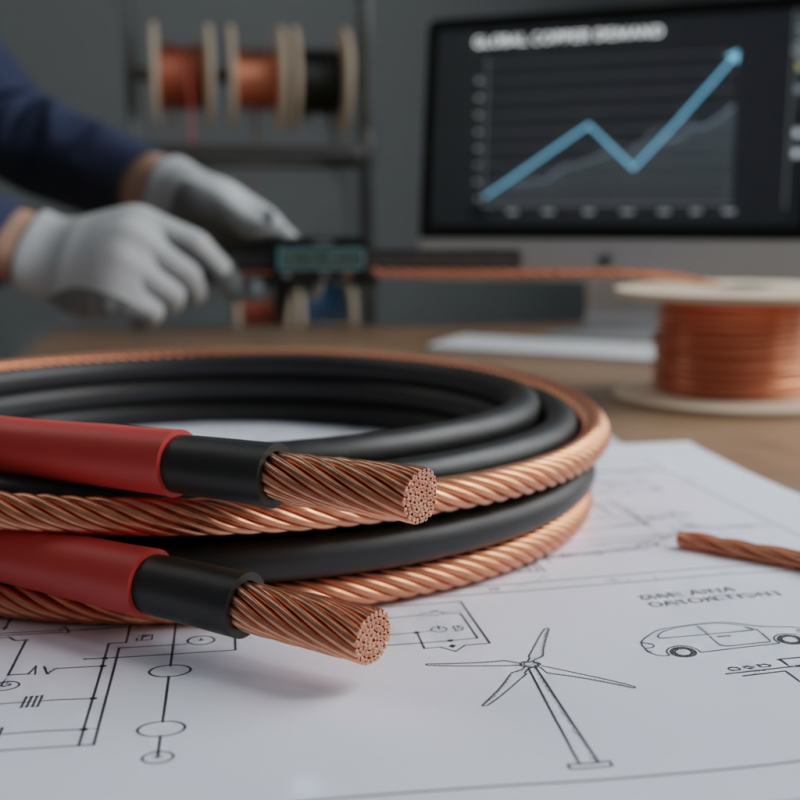
Understanding Stranded Copper Cable and Its Applications
Stranded copper cable is widely used in various applications, including networking, telecommunications, and electrical systems. Its flexibility and improved conductivity make it a preferred choice over solid copper wire. For instance, stranded cables bend more easily, making them suitable for tight spaces and complex installations. This versatility is crucial in modern technology setups, where space is often limited.
Understanding the structure of stranded copper cable is essential. It consists of multiple smaller copper wires twisted together. This design enhances strength and prevents breaks during movement. However, not all stranded cables are created equal. The grade of copper and the number of strands can significantly impact performance. For example, higher-quality copper ensures lower resistance and better signal transmission.
While buying stranded copper cable, pay attention to specific details. You may notice variations in insulation types and strand counts. These differences affect durability and heat resistance. It’s also important to consider the application requirements carefully. An inappropriate choice could lead to inefficient performance or even failures. Balancing quality and cost is a challenge many face when purchasing these cables. Don’t hesitate to seek guidance from experts if you're uncertain about specifications or suitability.
Key Factors to Consider When Choosing Stranded Copper Cable
When selecting stranded copper cable, several key factors must guide your decision. The gauge of the cable is crucial. Lower gauge numbers indicate thicker wires, which can carry more current. For high-power applications, consider thicker cables. Thinner cables may be suitable for smaller devices but can lead to overheating if used improperly.
Conductivity is another important aspect. The purity of the copper affects efficiency. Pure copper offers optimal conductivity, reducing energy loss. Check specifications to ensure the cable meets industry standards. You might encounter cables with a coating, which can influence performance. A cable with poor insulation can lead to increased resistance, causing energy wastage.
Pay attention to flexibility and durability. Stranded cables are better for applications requiring movement. They are easier to maneuver but may fray over time. Reevaluate your choices if you notice wear and tear. Finally, consider the environment where the cable will be used. Extreme heat or cold can affect cable integrity. Choosing materials that withstand environmental stress is vital for reliability.
Evaluating Quality and Specifications of Stranded Copper Cable
When evaluating stranded copper cable, understanding its specifications is crucial. The gauge size often dictates performance. For instance, industry standards usually recommend using AWG sizes between 12 to 24 for most applications. Choosing the right gauge impacts resistance and durability. Thicker cables tend to handle higher currents better and minimize voltage drop.
Material quality is another vital aspect. High-purity copper enhances conductivity and reduces signal loss. Studies indicate that cables with a conductivity rating of 100% IACS perform significantly better than those with lower ratings. It's essential to check certifications, such as UL or IEC, which ensure compliance with safety standards.
Don't overlook the importance of insulation. Proper insulation protects against environmental factors. PVC and XLPE are common materials, each with unique properties. While PVC offers flexibility, XLPE shows superior thermal resistance. However, one must consider the cost versus benefits. Sometimes, the most popular option may not be the best choice for specific needs. This assessment often requires industry knowledge and experience to make informed decisions.
Top Tips for Buying Stranded Copper Cable Efficiently
This chart illustrates the resistance of stranded copper cables at different American Wire Gauge (AWG) sizes. Lower AWG numbers indicate thicker cables, which typically result in lower resistance. Understanding these specifications can help you make an informed decision when purchasing stranded copper cables.
Cost-Effective Purchasing Strategies for Stranded Copper Cable
When considering stranded copper cable, price often drives decisions. Understanding market trends can empower buyers. Research current prices to avoid overpaying. Compare costs across local suppliers and online platforms. Each source may offer different rates. Take time to assess all your options.
Quality matters significantly when purchasing. Cheaper cables may cut corners. Inspect for certifications that indicate reliability. Ask for samples if possible. This practice helps evaluate the quality before committing. Investing in quality often saves money in the long run.
Negotiate with suppliers when possible. Many are open to discussion, especially for bulk orders. Building relationships can lead to better deals. Long-term connections might offer loyalty discounts, which can be beneficial. Keep thorough records of your purchases and consider seasonal fluctuations affecting prices. This thorough approach ensures you make informed, cost-effective choices.
Top Tips for Buying Stranded Copper Cable Efficiently
| Dimension | Description | Cost per Meter ($) | Best Use Case | Supplier Tip |
| 16 AWG | Good flexibility and conductivity. | 0.15 | Low-voltage applications. | Buy in bulk for discounts. |
| 14 AWG | Higher current capacity. | 0.20 | Lighting and small appliances. | Compare multiple suppliers. |
| 12 AWG | Excellent for high-power applications. | 0.25 | HVAC systems. | Look for seasonal sales. |
| 10 AWG | Heavy-duty applications. | 0.30 | Power tools and machinery. | Check for quality certifications. |
Where to Buy Stranded Copper Cable: Suppliers and Marketplaces
When looking to buy stranded copper cable, choosing the right suppliers and marketplaces is essential. The global copper wire market was valued at approximately $122 billion in 2021 and is projected to grow significantly. This growth reflects the increasing demand for electrical wiring in various sectors, including construction and telecommunications. Thus, finding reliable sources is vital for quality and cost-effectiveness.
One effective approach is exploring local suppliers or distributors who specialize in electrical materials. They often provide valuable insight into current market trends and volume pricing. Industry reports have indicated that around 72% of small businesses prefer local suppliers for faster delivery times. Online marketplaces also offer diverse options, from large bulk purchases to smaller quantities. However, they may lack the personal touch of a local supplier.
Selecting a supplier with a strong reputation can save you from potential issues. Inconsistent quality or supply shortages can cause delays. Based on recent studies, about 15% of buyers reported dissatisfaction with their suppliers' responsiveness. Always consider the reviews and feedback from previous customers. Prioritizing sustainable sources is becoming more critical as well. This echoes the industry's push for greener practices.
