Top Quality Toilet Paper for Global Buyers How to Choose?
In the world of consumer goods, choosing the right Toilet Paper is a nuanced task. According to a report from Industry Research, the global toilet paper market is projected to reach USD 55 billion by 2025, highlighting the increasing demand. Industry expert Dr. Emily Hargrave emphasizes, "Quality is not just a luxury; it's a necessity in our daily lives." As consumers become more discerning, understanding toilet paper quality becomes paramount.
Toilet paper varies widely, from single-ply to ultra-plush options. Exploring materials, softness, and strength can be overwhelming. Many brands boast eco-friendly certifications, but what do these really mean? Recognizing the difference between recycled and virgin fiber is crucial for making informed choices.
Nevertheless, some consumers might prioritize cost over quality or sustainability. This approach can lead to dissatisfaction and environmental harm. To navigate this complex market, reliable information and expert opinions are essential. Emphasizing quality over price can significantly enhance our daily experiences with this basic necessity.
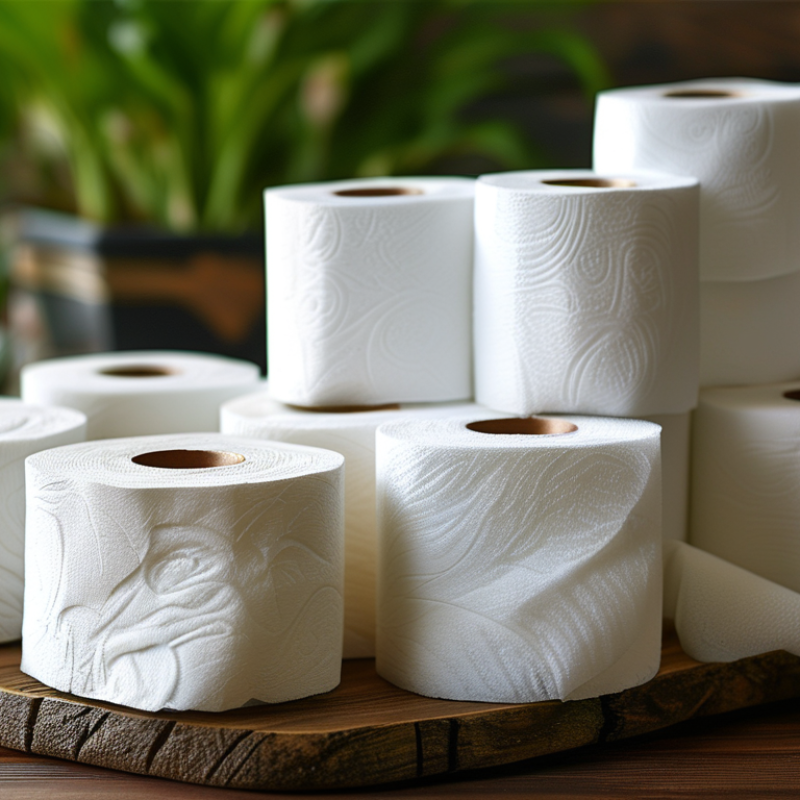
Understanding Toilet Paper Grades: An Overview of Industry Standards
Toilet paper quality can vary significantly. Understanding the different grades is vital for making informed choices. The industry primarily uses categories like standard, premium, and ultra-soft. Each grade impacts comfort and performance.
Standard grade toilet paper typically has fewer plies. It may not offer the same softness or absorption as premium options. Premium toilet paper generally includes two or three plies, enhancing strength and comfort. These rolls tend to be more absorbent, leading to a better user experience. According to industry reports, consumers are willing to spend 20% more on premium quality.
Ultra-soft products often utilize advanced materials. They provide an exceptional feel while maintaining strength. However, these options might not always meet environmental sustainability standards. A recent study indicated that nearly 40% of buyers are concerned about the ecological impact of toilet paper production. Knowing these grades can help consumers align their choices with their values and preferences.
Key Materials Used in Premium Toilet Paper Production
When choosing premium toilet paper, understanding the key materials is essential. Most high-quality toilet paper is made from virgin pulp. This raw material is derived from trees. Using virgin pulp reduces impurities and creates a softer texture. Studies show that toilet paper with at least 90% virgin fiber tends to be more absorbent.
Recycled materials also play a role in premium production. They can provide a more sustainable option while maintaining quality. However, not all recycled paper is the same. The process of recycling paper can result in a rougher texture. Some buyers may find this undesirable. A balance between softness and sustainability is crucial in premium products.
Moreover, additives like aloe and lavender are sometimes included. These can enhance the user experience. However, it’s important to note that some consumers may prefer plain paper for sensitive skin. The market is evolving to meet varied preferences. Research indicates that 50% of consumers now prioritize softness over other factors. Understanding these materials can help buyers make informed choices in a crowded market.
Consumer Preferences: Softness vs. Strength in Toilet Paper Choices
When choosing toilet paper, softness and strength often collide. Many consumers prioritize softness. A plush feel can provide comfort, especially for sensitive skin. However, strength is equally vital. A paper that tears easily can lead to frustration during use.
Tips: Look for samples before committing. Different brands may surprise you. Test various options to find what truly aligns with your needs.
Think about absorption. Some toilet papers may feel soft but lack adequate absorbency. This can lead to using more product, which may be less eco-friendly. Weighing these factors can be tricky. Finding the right balance can require several trials.
Remember, personal preference is key. What feels perfect for one person may not suit another. Be open to experimenting with different products. Finding the ideal toilet paper might take time, but it's worth the effort for comfort and efficacy.
Consumer Preferences in Toilet Paper: Softness vs. Strength
Environmental Considerations: Eco-Friendly Options in Toilet Paper Market
The demand for eco-friendly toilet paper is rising. Many consumers are concerned about environmental impact. Traditional toilet paper often involves deforestation and water pollution. Eco-friendly options can reduce these harms significantly.
When selecting toilet paper, look for recycled materials. Recycled paper uses less energy and water. It also diverts waste from landfills. Bamboo is another sustainable choice. It grows quickly and requires fewer resources. But it is essential to ensure bamboo sources are responsibly managed.
Consider certifications that indicate sustainable practices. Certifications provide insight into sourcing and production methods. However, not all brands clearly disclose this information. Research is vital. Many companies making green claims have faced scrutiny for their practices. It’s a complex landscape. Finding truly eco-friendly toilet paper may require some effort. But making informed decisions can lead to better environmental outcomes.
Market Trends: Analyzing Global Demand for High-Quality Toilet Paper
In the global market, high-quality toilet paper is becoming increasingly important. Consumers are now more aware of the materials used in personal care products. They seek soft, durable options that provide comfort and hygiene. Paper made from sustainable sources is gaining traction, as eco-conscious buyers demand environmentally friendly alternatives. The shift towards environmentally responsible choices is notable.
Current trends show rising demand in both urban and rural areas. Different markets show unique preferences. In urban centers, premium, luxurious brands are popular among consumers. They prioritize softness and texture. In contrast, rural markets tend to focus more on bulk purchasing and value without sacrificing quality. This reflects diverse consumer needs and underscores the complexity of the market.
However, the supply chain faces challenges. Fluctuations in raw material prices can affect product availability. As manufacturers strive to meet these demands, quality control remains crucial. They must avoid shortcuts that compromise product integrity. Balancing cost with quality remains a persistent challenge that requires ongoing reflection and innovation in toilet paper production.
