How to Choose the Best Liquid Calcium Zinc PVC Stabilizer?
Choosing the right Liquid Calcium Zinc PVC Stabilizer can be a daunting task. Industry expert Dr. Emily Carter once stated, "Selecting the right stabilizer is crucial for achieving durability and product performance." Liquid Calcium Zinc PVC Stabilizers play a vital role in enhancing the longevity and stability of PVC products.
Understanding the specific needs of your application can greatly influence your choice. Factors such as thermal stability, processing conditions, and end-use performance must be considered. Choosing a suitable Liquid Calcium Zinc PVC Stabilizer not only ensures product integrity but also impacts production efficiency.
However, navigating the options can be challenging. Some products may promise high performance but fail under real-world conditions. It is essential to reflect on various factors that can affect the decision-making process. Engaging with experts and conducting thorough research can lead to better outcomes. Ultimately, the right choice will enhance both the quality and longevity of your PVC applications.
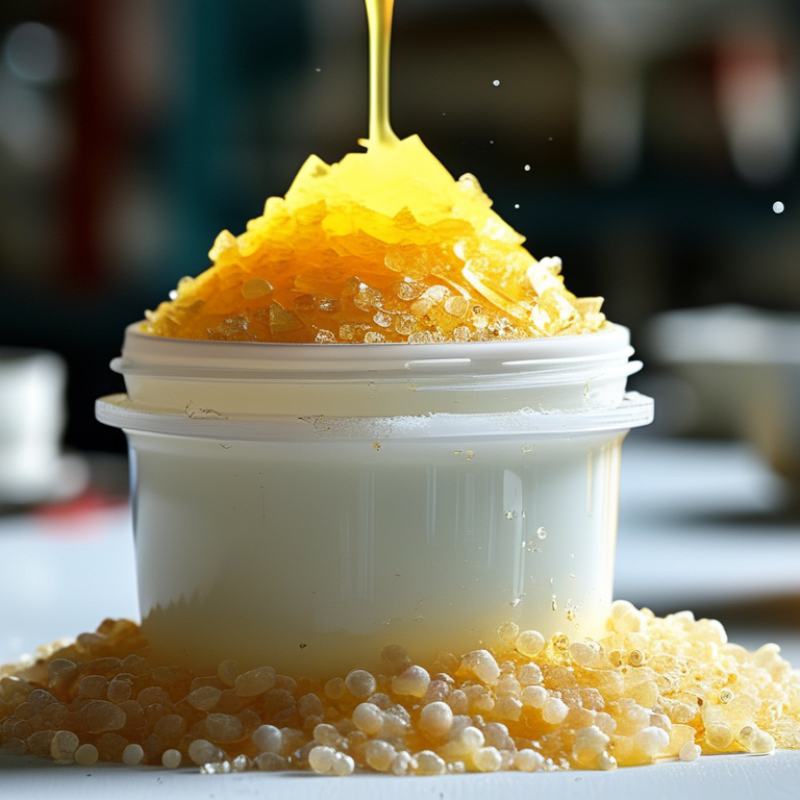
Understanding Liquid Calcium Zinc PVC Stabilizers: A Comprehensive Overview
Liquid calcium zinc PVC stabilizers are crucial for enhancing the performance of PVC materials. They work by preventing degradation due to heat and ultraviolet exposure. Understanding their composition helps in making informed choices. These stabilizers often consist of calcium, zinc, and other organic additives. Such components work in harmony to provide thermal stability.
Choosing the right stabilizer involves examining specific properties. Look for features like heat stability, cost-effectiveness, and compatibility with other additives. Each application may require different formulations. Not every stabilizer will meet your needs perfectly. Experimenting with various blends might lead to improved results, but this process can be time-consuming.
Quality matters when selecting a stabilizer. Reliable suppliers should provide detailed specifications and performance data. Discrepancies in manufacturing may affect the final product. Testing samples is essential to ensure the desired outcomes. Remember, the best solution may not always be the most popular one. Think critically about your project requirements and be ready to make adjustments along the way.
Key Properties of Effective Liquid Calcium Zinc Stabilizers in PVC Applications
When choosing a liquid calcium zinc PVC stabilizer, key properties greatly influence performance. Effective stabilizers must provide thermal stability during processing. They help maintain the integrity of the PVC structure under heat, preventing degradation. This property is crucial in applications like pipes and flooring, where durability is essential.
Another important characteristic is compatibility with other additives. A good stabilizer should blend seamlessly with plasticizers and fillers, enhancing the overall formulation. This compatibility ensures a balanced final product that meets specific application requirements. Testing various formulations can sometimes lead to unexpected challenges in achieving the right balance.
Moreover, consider the environmental impact. Many manufacturers are focusing on eco-friendly stabilizers. These options can be less harmful and offer better sustainability. However, this shift may cause performance trade-offs in specific applications. Assessing these trade-offs is vital for making an informed decision. Experimenting and adjusting formulations can lead to discovering the best fit for a particular project.
Comparative Analysis of Performance Metrics for Calcium Zinc Stabilizers
When evaluating calcium zinc PVC stabilizers, performance metrics are essential. A study from the Plastics Engineering Institute indicates that effective stabilizers enhance thermal stability and prevent color degradation. Data shows that formulations with a higher blend of calcium and zinc create better stability under heat exposure, yielding up to 30% longer lifespan in applications. This can lead to improved product reliability in varied conditions, which is crucial for manufacturers.
Moreover, the impact on processing characteristics cannot be overlooked. Research highlights that stabilizers with optimized particle sizes exhibit better dispersion in PVC mixes. This leads to smoother processing and more uniform material properties. Interestingly, some formulations may initially perform well but reveal inconsistencies over prolonged use. This necessitates a careful assessment of long-term performance in real-world applications.
Analyzing the environmental impact also plays a role in decision-making. Reports indicate a shift toward eco-friendliness in stabilizer production. While some stabilizers show less heat stability, their lower environmental footprint can appeal to sustainable practices. This creates a challenge in balancing performance and sustainability. Thus, choosing a stabilizer requires a nuanced understanding of these diverse performance metrics.
Comparative Analysis of Calcium Zinc PVC Stabilizers Performance Metrics
This chart represents a comparative analysis of different calcium zinc PVC stabilizers based on their performance scores. Each stabilizer is evaluated on a scale of 0 to 100, reflecting various performance metrics crucial for selecting the best option in applications.
Industry Standards and Regulations Impacting Calcium Zinc PVC Stabilizer Choices
When selecting a liquid calcium zinc PVC stabilizer, it's vital to consider industry standards and regulations shaping the market. The American Society for Testing and Materials (ASTM) and the European Committee for Standardization (CEN) provide guidelines that impact these stabilizers' efficacy. Compliance with these standards ensures a product meets safety and performance expectations. According to a recent report from Grand View Research, the PVC stabilizers market is expected to grow by 4.2% annually due to increasing demand for eco-friendly alternatives.
Regulations like REACH in Europe mandate the safe use of chemical substances, influencing the choice of calcium zinc formulations. This regulatory framework pushes manufacturers to adopt sustainable practices, affecting both production methods and raw materials. Data indicates that products adhering to these regulations not only enhance safety but can also improve market acceptance.
It is essential to evaluate the available certifications and compliance with these standards. Some manufacturers may overstate their adherence for competitive advantage. This can lead to subpar products entering the market, raising concerns about reliability. Engaging with industry experts and reviewing technical documentation can help ensure informed decisions, promoting the selection of high-quality stabilizers for your applications.
How to Choose the Best Liquid Calcium Zinc PVC Stabilizer?
| Property | Importance | Typical Values | Regulatory Standards |
| Thermal Stability | Prevents degradation of PVC at high temperatures | Above 200°C | ASTM D3278 |
| Toxicity | Safety of end products for human health | Non-toxic | REACH, RoHS |
| Processing Viscosity | Affects ease of mixing and application | 100-300 cP | ISO 2884 |
| Compatibility | Blends well with other stabilizers and additives | High Compatibility | ASTM D2166 |
| Color Stability | Maintains color quality during processing | No discoloration | ASTM D4326 |
Factors Influencing the Selection of Liquid Calcium Zinc Stabilizers in Manufacturing
The choice of liquid calcium zinc PVC stabilizers is influenced by various factors intrinsic to the manufacturing process. A key consideration is the stabilizer's thermal stability. Research indicates that optimal thermal stability may enhance product lifespan, ensuring durability in end-users' applications. Industry data suggests that stabilizers should maintain stability in temperatures exceeding 200°C, as this is critical in production processes.
Another aspect is compatibility with other additives in PVC formulations. The interaction between stabilizers and plasticizers can significantly impact the final product properties. For instance, improper selection may lead to adverse effects like discoloration or reduced elasticity. According to industry reports, over 30% of PVC manufacturers face challenges related to stabilizer compatibility. Addressing these interactions is essential for achieving desired performance.
Environmental sustainability is increasingly shaping stabilizer selection. As regulatory standards tighten, manufacturers are pressured to adopt eco-friendlier options. Reports indicate a growing demand for stabilizers that minimize environmental impact while maintaining performance efficiency. However, these sustainable alternatives sometimes compromise certain mechanical properties. Hence, a careful balance between performance and environmental considerations is necessary in the selection process.
