2026 Best Plant Extracts for Global Buyers to Look For?
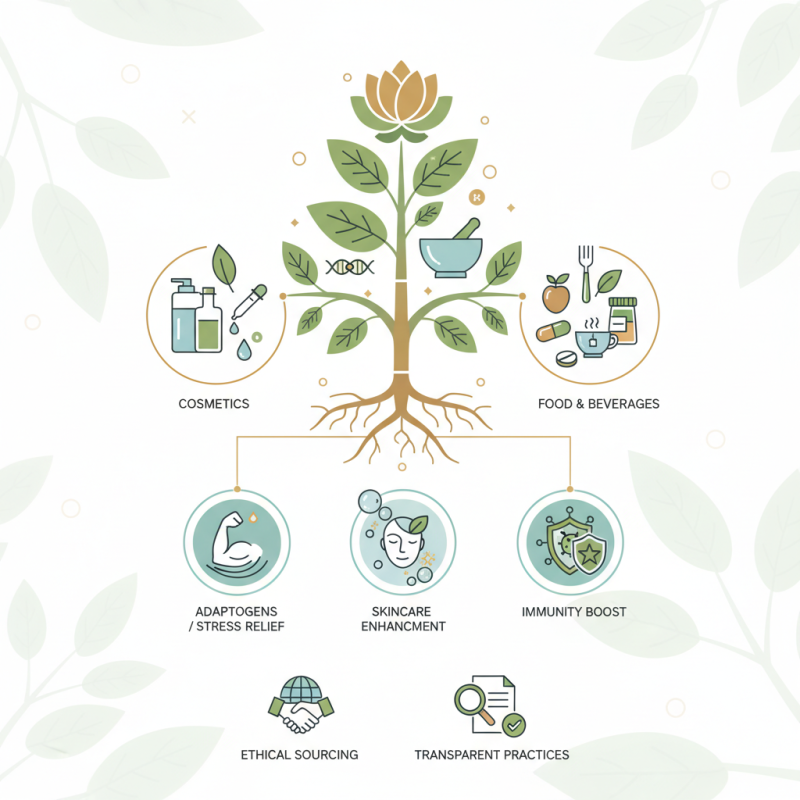
As the demand for natural products grows, buyers are increasingly interested in Plant Extract innovations. Plant extracts offer unique benefits, catering to various industries. These include cosmetics, pharmaceuticals, and food & beverages. Global buyers need reliable information to make informed decisions.
In 2026, certain plant extracts will stand out as essential. Uncovering their sources and applications is key for success. However, not all plant extracts are created equal. Some may lack potency or sustainability. Therefore, it's crucial to select trusted suppliers.
Exploring the best plant extracts entails understanding their unique properties. For instance, adaptogens can support stress relief. Others might enhance skincare or boost immunity. Buyers must weigh the effectiveness and ethical sourcing of these extracts. Trustworthy suppliers are often those with transparent practices and reliable certifications.
2026 Trends in Plant Extracts: Market Growth and Consumer Demands
The plant extracts market is witnessing significant growth, driven by evolving consumer demands. According to a recent market research report, the global plant extracts market is projected to reach $45.5 billion by 2026, growing at a CAGR of 10.2%. This growth is fueled by increasing awareness of natural ingredients and a shift towards plant-based products.
Consumers are more informed and eco-conscious. They prefer sustainable sourcing and transparent production methods. A study indicated that about 75% of consumers prioritize products with certifications, reflecting a trend towards authenticity and sustainability. The demand for botanical extracts in personal care and food industries is surging. Essential oils and herbal extracts are leading this charge, with a substantial rise in usage for health benefits and flavoring.
Despite these positive trends, challenges remain. Quality control issues and sourcing difficulties can hinder market stability. Some companies struggle to meet rising demands while maintaining product integrity. There is also a gap in consumer education regarding specific benefits of various extracts. As the market evolves, stakeholders must address these challenges with innovative solutions and transparent practices.
Key Plant Extracts Shaping the Industry: Top Picks for Global Buyers
The growing demand for plant extracts is reshaping various industries, including cosmetics, food, and pharmaceuticals. Buyers should pay attention to specific extracts that are gaining traction. For instance, adaptogenic herbs are becoming increasingly popular for their stress-relief properties. These extracts offer natural alternatives to synthetic ingredients.
Another notable category is essential oils. They provide aromatic benefits and therapeutic properties. Lavender and tea tree oil are frequently highlighted for their calming and antimicrobial effects. As buyers explore these options, they must consider the source and sustainability of these extracts. Sourcing responsibly is vital for maintaining product integrity.
Despite the excitement around these products, challenges remain. Quality control can vary, and not all suppliers meet rigorous agricultural standards. Buyers should conduct thorough research to ensure reliability. Collecting reviews and seeking expert opinions are essential steps. Ultimately, a discerning approach will guide buyers in making informed decisions in the evolving landscape of plant extracts.
Health Benefits of Plant Extracts: Evidence from Recent Scientific Studies
Plant extracts have gained attention for their potential health benefits. Recent studies provide insights into how these natural compounds can improve wellness. For instance, certain extracts show promise in reducing inflammation. Others may assist with stress relief or enhance cognitive function. The vast array of plant extracts available can be overwhelming. Selecting the right ones requires understanding their specific benefits.
Tips: When exploring plant extracts, consider your individual health goals. Researching credible sources can help. Consult health professionals if unsure about particular extracts.
Another area of interest is antioxidant effects. Some plant extracts, like those from fruits and herbs, demonstrate strong antioxidant properties. Antioxidants protect cells from damage. They play a crucial role in overall health. However, not every extract is suitable for everyone. Individual reactions vary. This uncertainty requires careful examination of one's body and needs.
Tips: Start with small doses when trying new extracts. Monitor your body's response over time. Adjust accordingly based on personal experiences. Keep a journal to track changes you notice.
2026 Best Plant Extracts for Global Buyers
This chart presents the health benefits index of the top five plant extracts for global buyers in 2026. The data reflects the significance of these extracts based on recent scientific studies.
Regulatory Standards Impacting Plant Extracts in Global Markets
Regulatory standards play a crucial role in shaping the global market for plant extracts. In recent years, various regions have implemented strict regulations. For instance, the European Union has established the EFSA guidelines, which set stringent safety and efficacy criteria. These regulations impact sourcing, processing, and labeling of plant extracts. Compliance is essential for market access.
Moreover, a report from MarketsandMarkets indicates that regulatory compliance can affect market growth by nearly 12% annually. This emphasizes the importance of adhering to safety standards. Unfortunately, many suppliers may overlook such requirements, leading to potential market entry barriers. The FDA in the United States also enforces its set of regulations, which varies from other regions.
Failure to meet these standards can result in product recalls and loss of credibility. It's essential for manufacturers to invest in understanding these regulations. Crafting transparent labeling and following best practices can enhance consumer trust. The complexity of compliance can be daunting, yet it is vital for long-term success in this evolving industry.
Future Innovations in Plant Extracts: Sustainable Alternatives and Production
The demand for plant extracts is evolving. Buyers seek sustainable alternatives. Trends indicate that plant extracts can reduce environmental impact. According to a recent report by Grand View Research, the global plant extract market is projected to reach $48.5 billion by 2028, growing at a rate of 8.8% per year. This highlights the increasing awareness of eco-friendly products.
Innovations in extraction methods are key. Techniques like supercritical fluid extraction are gaining traction. These methods use less solvent and produce purer extracts. However, they require significant investment and expertise. Many producers may struggle with implementation. Furthermore, some extraction methods can still be energy-intensive, raising questions about true sustainability.
Sourcing practices are also under scrutiny. Ethical sourcing ensures high-quality, high-potency extracts. Yet, challenges remain in balancing cost and sustainability. A report from the National Center for Biotechnology Information notes that consumer interest in traceability is rising. More buyers want to know where and how their ingredients are sourced. This shift could reshape supply chains in the coming years.
2026 Best Plant Extracts for Global Buyers to Look For
| Plant Extract | Source Plant | Primary Benefits | Sustainable Practices | Market Demand |
| Curcumin | Turmeric | Anti-inflammatory, Antioxidant | Organic Farming, Fair Trade | High |
| Resveratrol | Grapes | Cardiovascular Health, Anti-aging | Sustainable Vineyard Practices | Moderate |
| Moringa Extract | Moringa Oleifera | Nutritional Supplement, Antioxidant | Water Conservation Techniques | Increasing |
| Aloe Vera Extract | Aloe Vera | Skin Health, Hydration | Eco-friendly Farming | High |
| Green Tea Extract | Camellia Sinensis | Weight Management, Antioxidant | Sustainable Harvesting Methods | Very High |