Best Pig Farm Project Ideas for Global Sourcing Opportunities?
In recent years, the demand for sustainable agriculture has surged. As a result, investing in Pig Farm Projects has become increasingly appealing. These projects not only provide an opportunity for profit but also promote responsible farming practices. With global sourcing opportunities on the rise, businesses are exploring innovative ideas to maximize efficiency and output.
Successful pig farm projects require careful planning and execution. They often incorporate various techniques to enhance animal welfare and environmental sustainability. Investing in technology can improve breeding practices, health monitoring, and waste management. However, potential challenges still exist. The global market can be unpredictable, and fluctuating demand necessitates adaptability.
These projects also need thoughtful consideration of local regulations and ethical standards. It’s crucial to prioritize transparency and sustainability. At the same time, reflecting on past experiences can guide future practices. By learning from both successes and failures, farmers can refine their strategies for better results. The evolution of pig farm projects presents a unique opportunity for growth in the agricultural sector.
Best Practices for Sourcing Quality Breeding Stock in Pig Farming
Sourcing quality breeding stock is crucial for a successful pig farming project. According to the Food and Agriculture Organization (FAO), genetic selection can boost productivity by more than 30%. Farmers must prioritize genetic traits when selecting stock, focusing on disease resistance and feed efficiency. Assessing the reproductive performance and growth rates of potential stock can result in significant benefits.
Utilizing local resources for breeding stock can mitigate transportation stress and lower costs. However, farmers should consider the potential for genetic bottlenecks. A diverse gene pool helps maintain herd health. Reports indicate that reducing genetic diversity can lead to increased vulnerability to diseases, making it a critical factor in sourcing decisions.
Consulting with veterinary experts adds an extra layer of insight. They can help evaluate the health and genetic quality of breeding stock. Farmers must be aware of the varying standards in different regions. Collaborating with local geneticists can bridge the gap in knowledge. Using data to support selections is essential. Balancing quality with accessibility is a key challenge in sourcing breeding stock.
Innovative Technologies for Enhancing Pig Farm Productivity and Efficiency
Innovative technologies are reshaping the pig farming industry. Precision farming tools enhance management strategies. Farmers can now analyze data for better feed efficiency and waste reduction. Sensor technology tracks animal health in real-time. This leads to timely interventions and lower mortality rates.
Automation is another key trend. Robotic systems can handle repetitive tasks, like feeding and cleaning. While this increases productivity, it requires initial investment and training. Not all farmers may afford such technology yet. Yet, those who adopt it often see immediate benefits in labor costs and time savings.
Proper implementation is critical. Training staff to use new technologies can be a challenge. Some farmers experience a learning curve that affects productivity initially. Balancing innovation with tradition is essential. Pig farming is evolving, and those who adapt can find new sourcing opportunities more robustly.
Market Trends: Global Pork Demand and Its Impact on Farm Investment Strategies
Global pork demand continues to rise, driven by population growth and changing dietary preferences. According to the Food and Agriculture Organization (FAO), global pork consumption is projected to increase by 10% over the next five years. This surge presents immense opportunities for investment in pig farming projects. However, investors must navigate various market dynamics to succeed.
Shifts in consumer behavior are noteworthy. Younger generations are more inclined toward sustainably sourced and ethically raised meat. Reports show that 45% of consumers prioritize animal welfare. This trend necessitates innovative farming practices that align with these values. Farm investments should explore integrated systems that emphasize sustainability, including the use of alternative feed sources and waste recycling. These align with the growing expectation for environmentally responsible production methods.
The landscape is not without challenges. Price volatility is a significant concern. Fluctuations in feed costs can drastically impact profit margins. A recent industry report highlighted that feed costs account for nearly 60% of total production expenses. Investors must be aware of the implications of market trends, such as rising input prices and supply chain disruptions. Cultivating resilience in operations will be critical to weathering these challenges and maximizing long-term profitability.
Sustainable Practices in Pig Farming: Aligning with Environmental Standards
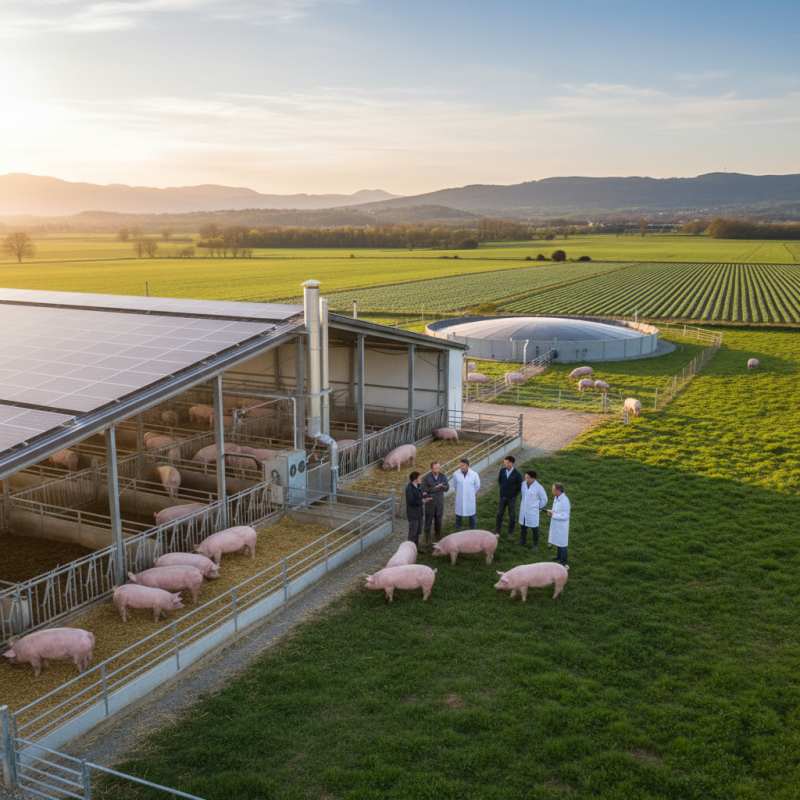
Sustainable practices in pig farming are essential for environmental preservation. Farmers need to consider their impact on the ecosystem. Reducing waste and conserving resources can align operations with global standards. Many pig farms now integrate renewable energy sources. This shift helps lower carbon footprints.
Tips for sustainability: Implement rotational grazing. This method enhances land health and promotes biodiversity. Use biodegradable materials for bedding. They can decompose naturally, reducing overall waste.
Creating a local feed supply chain is beneficial. It reduces transportation emissions and supports local economies. However, sourcing locally can be challenging. Maintaining quality and cost-effectiveness is crucial. Continuous improvement in practices is necessary to achieve sustainable goals. Farmers should monitor their operations regularly. Implementing changes may take time, but the long-term benefits are significant.
Financial Analysis: Return on Investment for Pig Farm Projects Globally
Investing in pig farming can offer substantial returns in diverse markets. According to the Food and Agriculture Organization (FAO), global pork consumption is projected to rise by over 10% by 2025. This increasing demand creates lucrative opportunities for pig farming projects. A well-managed farm can yield a return on investment (ROI) of 20-30% per annum under optimal conditions.
Financial analysis reveals that initial investments can vary widely from $50,000 to over $500,000, depending on scale and location. Operational costs, including feed, veterinary care, and labor, average around $25 to $40 per pig. However, fluctuations in feed prices can significantly impact profitability. For instance, analysis from the United Nations suggests that the global grain market is volatile. Farmers must remain vigilant in cost management.
Moreover, successful projects often incorporate advanced technologies such as precision farming. This can lead to better feed efficiency and higher yields. Yet, the reliance on technology poses risks. Not all farmers have the necessary expertise or resources. Continuous education and adaptation are crucial for maximizing returns in this evolving industry. Understanding these dynamics can help investors make informed decisions in the pig farming sector.
Best Pig Farm Project Ideas for Global Sourcing Opportunities
| Project Idea | Location | Initial Investment ($) | Annual Revenue ($) | ROI (%) |
| Organic Pig Farming | USA | 250,000 | 400,000 | 60% |
| Free-range Pig Farming | Germany | 300,000 | 500,000 | 66.67% |
| Intensive Pig Farming | China | 200,000 | 350,000 | 75% |
| Sustainable Pig Farming | Brazil | 180,000 | 300,000 | 66.67% |
| Technology-Driven Pig Farm | Netherlands | 350,000 | 600,000 | 71.43% |
