Best Herbal Powder for Natural Health Solutions?
In recent years, natural health solutions have gained immense popularity. Herbal powders are at the forefront of this trend. They offer a convenient way to enhance overall well-being. These powders come from various plants known for their healing properties. They pack a powerful punch in small doses.
Each type of herbal powder provides unique benefits. For example, turmeric powder is famous for its anti-inflammatory effects. Spirulina is rich in vitamins and minerals, boosting energy levels. But it's essential to choose the right ones. Not all herbal powders are created equal. Some may lack the potency or quality needed for effective health improvement.
Many individuals are exploring herbal powders without sufficient knowledge. This can lead to ineffective or even harmful choices. Recognizing the importance of quality and sourcing is crucial. Authentic herbal powders should come from reputable providers. A thoughtful approach to selection can ensure a safer and more beneficial experience.
Understanding Herbal Powders and Their Benefits for Health
Herbal powders have gained popularity as natural health solutions. They are derived from various plants and have been used for centuries. Recent studies indicate that herbal powders can support overall wellness. For instance, a report from the National Center for Complementary and Integrative Health notes that herbal products are commonly used for their potential health benefits.
One significant advantage of herbal powders is their nutrient density. Turmeric, for example, contains curcumin, which has anti-inflammatory properties. Research suggests that curcumin can reduce markers of inflammation in the body. Another example is matcha green tea powder, known for its high antioxidant content. Antioxidants are essential for combating oxidative stress, which can lead to chronic diseases.
However, the efficacy of herbal powders varies among individuals. Not everyone's body reacts the same way to these natural supplements. Some powders might cause allergic reactions or negligible effects. It's crucial to approach these products with care and consider consulting a healthcare professional before use. Understanding individual health needs and potential interactions is vital for safe consumption.
Common Types of Herbal Powders and Their Uses in Natural Remedies
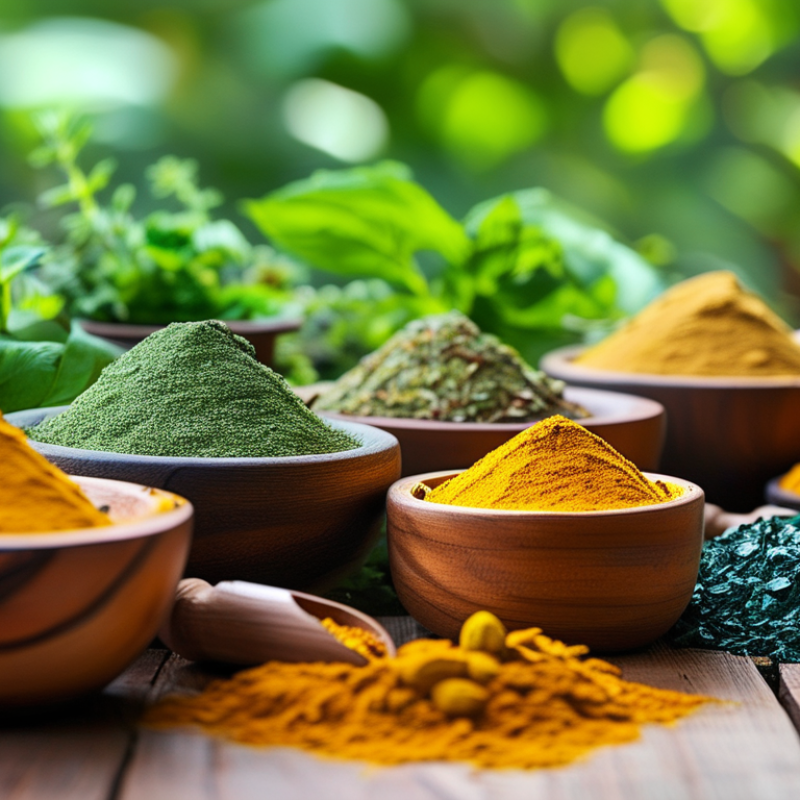
Herbal powders have gained popularity as natural health solutions. Many types exist, each with unique benefits. Common options include turmeric, ashwagandha, and spirulina. These powders can be integrated into daily routines easily.
Turmeric powder is known for its anti-inflammatory properties. It contains curcumin, which may support joint health and overall wellness. Adding turmeric to smoothies or teas can enhance flavors and boost health. However, for some, it might cause stomach discomfort.
Ashwagandha is celebrated for its adaptogenic properties. It may help in managing stress and anxiety. It can be consumed in powder form, often added to warm milk. This may improve sleep quality. Yet, individual responses can vary, and some may feel drowsy after use.
Spirulina, a blue-green algae, is rich in nutrients. It's often marketed as a superfood due to its high protein content. Mixing it into smoothies or energy balls is common. Nevertheless, strong fishy odors can deter some users. Understanding individual reactions is key to effective usage.
Best Herbal Powder for Natural Health Solutions
How to Select the Best Herbal Powder for Your Health Needs
When selecting the best herbal powder for your health needs, consider your specific goals. Different herbs serve various purposes, from boosting immunity to improving digestion. Research the herbs you’re interested in. This helps you understand their benefits and potential side effects.
Look for sources that provide clear information about herbal powders. Reliable sites often include research studies or expert opinions. Pay attention to how these powders are processed. The quality of processing can affect potency and safety.
Tips:
Always start with small doses. Monitor how your body responds. Not all herbs suit every individual. Consulting with a healthcare provider is wise, especially if you have pre-existing conditions.
Selecting herbal powders can be challenging. Misleading information is common. Be cautious of overhyped claims. Instead, focus on evidence-based benefits. Take time to reflect on what herbs resonate with your health journey.
Ways to Incorporate Herbal Powders into Your Daily Routine
Incorporating herbal powders into your daily routine can enhance your overall well-being. One of the simplest methods is to add them to smoothies. A tablespoon of spirulina or matcha can provide an energy boost. Blend them with your favorite fruits for a nutritious breakfast. The vibrant colors and flavors can make mornings more enjoyable.
Another effective way to use herbal powders is in hot drinks. You can stir a teaspoon of turmeric powder into warm milk or tea. This creates a soothing beverage that's perfect for relaxation. The golden hue is inviting, and the flavor can be comforting, especially during colder days. However, remember that some herbal powders have strong tastes. Experiment to find the right balance.
Baking is another avenue for incorporating herbal powders. You can mix beet powder into your pancake batter for a splash of color and nutrients. These small changes can transform familiar recipes. It's important to note that not every combination will be appealing. Reflect on taste and texture to ensure you enjoy your creations. Embrace the journey of trying new flavors while keeping your health in focus.
Safety Considerations and Dosage Guidelines for Herbal Powders
When considering herbal powders for natural health, safety must be a priority. Not all herbal products are safe for everyone. Some may cause side effects or interact with medications. It’s crucial to be aware of any allergies or pre-existing conditions before using these powders. Consulting a healthcare professional can provide clarity and guidance.
Dosage guidelines can vary significantly among different herbal powders. Following the recommended doses is essential. Too much of a good thing can be harmful. It's wise to start with a small amount to assess tolerance. Observing how your body reacts is important. Note any changes, both positive and negative. This reflection can help refine your approach.
Incorporating herbal powders into your routine can bring benefits. However, responsible use involves ongoing consideration and adjustment. The journey of natural health is personal and unique for everyone. Regular monitoring and communication with health experts ensure that your choices remain safe and effective.