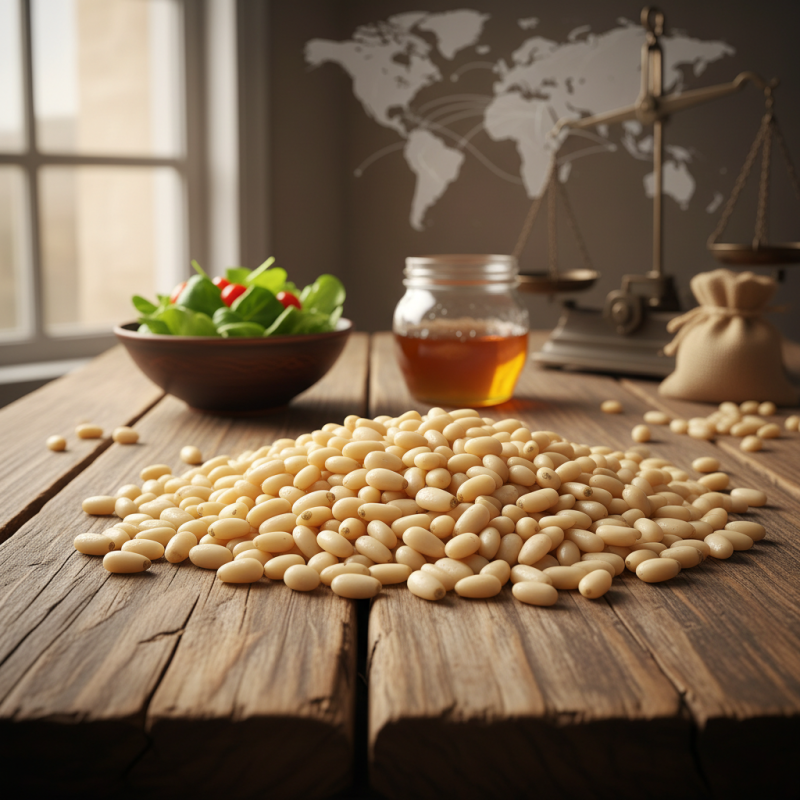
Top 10 Benefits of Pine Nuts for Global Buyers?
Pine Nuts are not just a culinary delight; they also offer numerous health benefits. These small, nutrient-dense seeds are rich in vitamins, minerals, and essential fatty acids. Global buyers recognize the value of pine nuts in both food and wellness.
The appeal of pine nuts extends beyond their flavor. They can boost heart health, improve digestion, and provide energy. Furthermore, their unique composition supports weight management and enhances skin health. Discovering these benefits can transform how consumers view this versatile food.
However, it is essential to consider sourcing and quality. Not all pine nuts are created equal. Some products may fall short in freshness or nutritional value. Buyers should seek reputable suppliers that prioritize quality. This thoughtfulness ensures you experience the full benefits of pine nuts.
Benefits of Pine Nuts: Nutritional Profile and Health Advantages
Pine nuts, often overlooked, offer impressive nutritional benefits. These tiny seeds are rich in essential vitamins and minerals. One ounce of pine nuts delivers nearly 20% of the daily recommended intake of magnesium, which supports muscle and nerve function.
Additionally, pine nuts are a great source of antioxidants. Their unique composition helps combat oxidative stress. Research indicates that these nuts may improve heart health by lowering cholesterol levels. Based on a study published in the Journal of Nutrition, regular consumption of nuts, including pine nuts, is linked to a reduced risk of heart disease.
**Tip:** Sprinkle pine nuts on salads for added texture and nutrition. Their buttery flavor enhances any dish, from pesto to desserts. For a quick snack, pair them with dried fruits to balance the healthy fats. Remember, moderation is key since they are calorie-dense.
While pine nuts are nutritious, some people experience allergic reactions. Always consult a healthcare professional before adding them to your diet. Being aware of potential side effects is crucial. Enjoying pine nuts mindfully can lead to better health outcomes.
Antioxidant Properties of Pine Nuts and Their Impact on Aging
Pine nuts are small but mighty. They pack a powerful punch of antioxidants. These compounds help combat oxidative stress, a major contributor to aging. With each bite, you can feel the vitality they add to your diet.
The antioxidants in pine nuts include vitamin E and polyphenols. Vitamin E is well-known for promoting healthy skin. It can help reduce the appearance of fine lines and wrinkles. Polyphenols enhance overall health by protecting cells from damage. Incorporating pine nuts into meals can be a delicious way to age gracefully.
While their benefits are clear, moderation is important. Pine nuts are high in calories and fat. It's easy to overindulge, so be mindful of portion sizes. Reflecting on our dietary choices encourages balance. Enjoying these nuts in moderation allows us to reap their rewards without excess.
Top 10 Benefits of Pine Nuts for Global Buyers
Pine nuts are renowned for their wide range of health benefits. This chart illustrates the top 10 benefits, scored out of 10 based on their significance and impact on overall wellness. These include antioxidant properties, heart health, and energy boosting capabilities, showcasing why global buyers should consider incorporating pine nuts into their diet.
Pine Nuts and Heart Health: Evidence from Recent Studies
Recent studies have highlighted the significant impact of pine nuts on heart health. These small but nutrient-rich seeds are packed with monounsaturated fats, which can help lower bad cholesterol (LDL) levels. A study published in the "Journal of Nutrition" found that participants who included pine nuts in their diet experienced improved lipid profiles. Lower cholesterol is directly linked to a reduced risk of heart disease.
Moreover, pine nuts are rich in antioxidants, particularly vitamin E and phytosterols. These compounds combat oxidative stress and inflammation. Research in the "American Journal of Clinical Nutrition" indicates that diets high in antioxidants are associated with a lower incidence of cardiovascular diseases. One serving of pine nuts contains nearly 2.5 mg of vitamin E, contributing to overall heart health.
Despite their benefits, excessive consumption can lead to unwanted weight gain due to their calorie density. A quarter-cup serving avails approximately 190 calories. It is essential for consumers to balance their intake. Understanding portion sizes is necessary for incorporating pine nuts into a heart-healthy diet without overindulgence. The journey toward better heart health involves mindful eating and a holistic approach to nutrition.
Top 10 Benefits of Pine Nuts for Global Buyers
| Benefit | Description | Evidence Source |
| Heart Health | Rich in monounsaturated fats which promote heart health. | American Journal of Clinical Nutrition |
| Weight Management | High protein content promotes satiety. | Journal of Nutrition |
| Rich in Antioxidants | Contains antioxidants that protect against oxidative stress. | Food Chemistry |
| Boosts Energy | High in calories provides energy-boosting nutrients. | Nutrition Journal |
| Supports Eye Health | Contains lutein and zeaxanthin beneficial for vision. | Ophthalmology Journal |
| Improves Mood | Rich in magnesium helps reduce depression and anxiety. | Nutrition Research Reviews |
| Bone Health | Source of vitamin K and phosphorus essential for bone health. | Journal of Bone and Mineral Research |
| Skin Health | Contains vitamins that support healthy skin. | Dermatology Reviews |
| Anti-Inflammatory Properties | May reduce inflammation due to high nutrient content. | Inflammation Research |
| Supports Brain Health | Omega-3 fatty acids contribute to cognitive function. | Journal of Neurochemistry |
Pine Nuts in Weight Management: A High-Protein Snack Option
Pine nuts are emerging as a top snack choice for weight management. They are rich in protein, which promotes satiety and curbs hunger. A 2018 study published in the Journal of Nutrition highlighted that protein-rich snacks could help manage body weight effectively. With about 14 grams of protein per 100 grams, pine nuts provide a filling option for those looking to maintain a healthy diet.
The unique combination of healthy fats and fiber in pine nuts also plays a role in weight management. Research from the United States Department of Agriculture (USDA) shows that these nutrients can help regulate energy intake. Many individuals find that a small handful of pine nuts keeps them satisfied longer than traditional snacks. However, portion control is critical due to their high-calorie density.
While pine nuts offer significant benefits, it's essential to approach them mindfully. Overconsumption can lead to excess calorie intake. Regularly tracking portion sizes can help avoid this pitfall. Pine nuts are a nutritious option, but potential buyers should consider individual dietary needs. They are not a cure-all for weight management but can be effective when incorporated into a balanced diet.
Economic Impact of Global Pine Nut Trade on Local Farmers and Markets
The global trade in pine nuts has a significant economic impact on local farmers and markets. Pine nuts are highly sought after in culinary circles, driving demand in various regions. Farmers benefit from this demand, as it can lead to higher prices for their crops. This financial boost empowers them to invest in better farming techniques. Improved techniques can enhance yield and quality, leading to a more sustainable farming model.
However, the trade's impact isn't always positive. The volatility of pine nut prices can create uncertainty for farmers. Fluctuations in demand can leave growers in challenging situations. In some instances, farmers might struggle to cover their costs due to falling prices. Additionally, the pressure to meet international demand can lead to overharvesting. This practice threatens local ecosystems and the long-term viability of pine nut production.
Global markets also create competition among farmers. Some may not have access to the same resources as larger producers. This inequality can widen the gap between affluent and struggling farmers. It's crucial to develop fair trade practices that benefit local growers. Supporting equitable trade can ensure the sustainable growth of the pine nut industry while preserving local communities and environments.